Your Last Marketing Partner Ever.
Mobile IV Therapy Marketing in Michigan
A practical guide for mobile IV therapy operators thinking about Michigan.
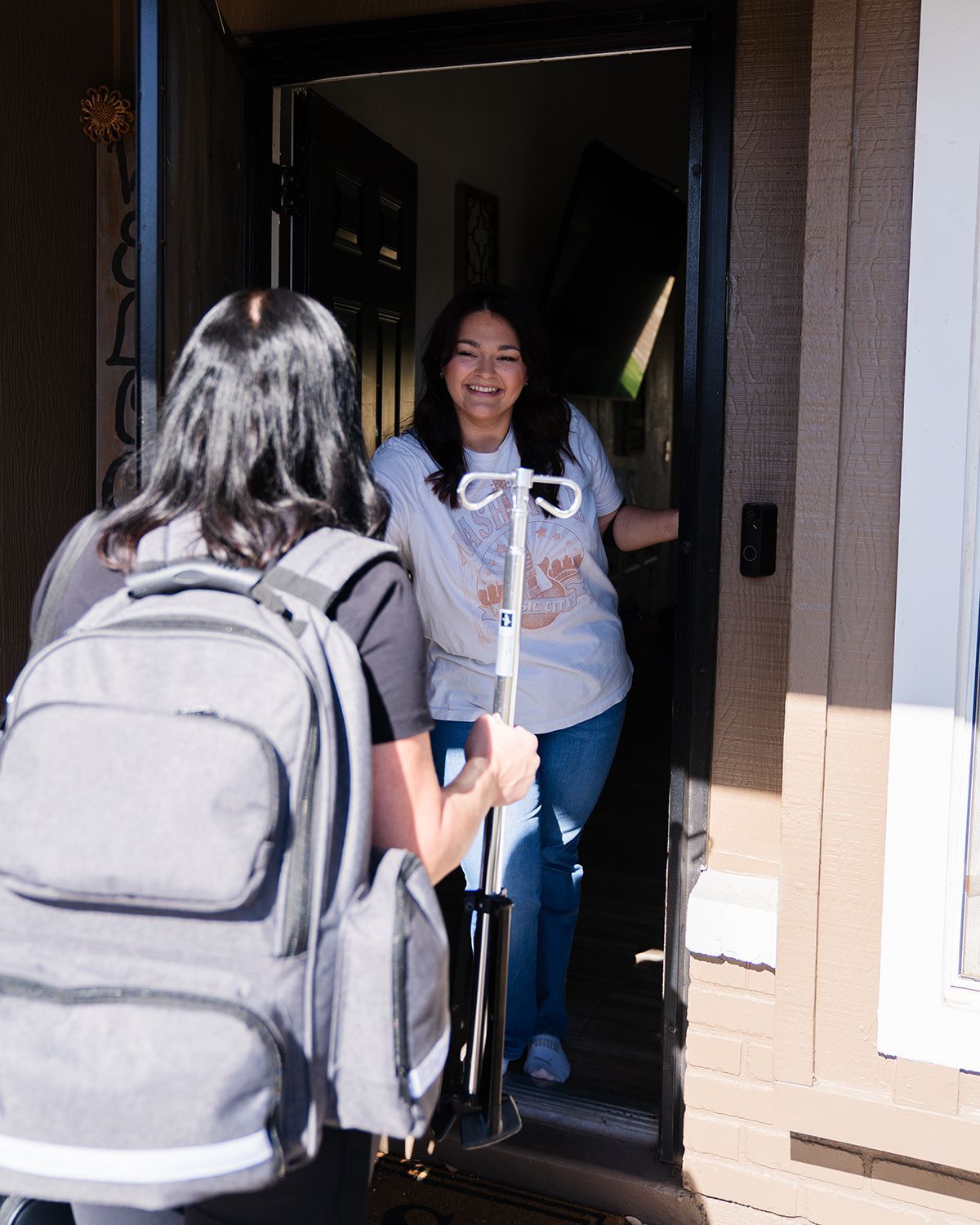
Michigan is one of the markets we study most closely. The fundamentals look simple on paper, but the day-to-day reality of running a mobile IV operation here can be unforgiving. Michigan demand is unusually split between dense urban/suburban corporate markets in southeast Michigan and highly seasonal tourism/recreation demand in the north and along the lakes. The notes below come from real operators, real campaigns, and real data.
What demand actually looks like in Michigan
The state also has a strong endurance/sports and motorsports calendar plus winter dehydration/fatigue use cases, so mobile IV marketing can lean harder into athletic recovery, travel recovery, and event-weekend hydration than in a typical only-hangover market.
Plenty of mobile IV brands try to use a single playbook everywhere. That is usually a mistake. Michigan rewards operators who actually understand the local search behavior, the seasonal rhythms, and the specific events that drive bookings.
The local population
Michigan population is about 10 million, with a median age around 39 and median household income around the low-$70Ks according to Census QuickFacts/ACS-style state profiles. Demand-relevant population mix includes a large automotive/manufacturing base in metro Detroit, major university hubs (Ann Arbor, East Lansing, Ypsilanti, Kalamazoo), tourism-heavy northern markets, and pockets of affluent suburban households in Oakland, Washtenaw, and Grand Traverse counties.
What locals are searching for
Michigan search intent is likely more recovery and wellness mixed than pure party-driven. Expect strong queries around 'mobile IV near me,' dehydration, migraine, flu recovery, sports recovery, hangover help in Detroit/Ann Arbor/Grand Rapids, plus higher-end NAD+ and longevity searches in affluent suburbs and 'IV therapy at hotel' around tourism/event destinations.
Compliance basics for Michigan
Compliance is where most operators in Michigan make their first expensive mistake. The rules are not optional and they are not invisible to the state.
Michigan mobile IV operators must work within the state nursing and medical-practice framework under the Public Health Code and Board of Nursing oversight; IV infusions are not a standalone consumer wellness service outside clinical delegation and supervision. I did not find a state-specific Michigan 'good faith exam' mobile-IV rule in the sources reviewed, so operators typically rely on physician/NP oversight, patient screening, standing orders, and compliant RN/LPN practice boundaries rather than a Michigan-only IV statute. Verify the current delegation and telehealth interpretation with Michigan LARA before launch because I did not locate a dedicated mobile-IV guidance page.
The non-negotiables
- A licensed Medical Director appropriate to the state
- Registered nurses (RNs) administering treatments under proper supervision
- Standing orders and protocols signed by the Medical Director
- A Good Faith Exam completed for every new patient before treatment
- HIPAA-compliant intake, consent, and recordkeeping
- Licensed-facility or mobile-medical clinic registration where required
- Pharmacy sourcing through a properly registered supplier — not online resellers
Local SEO and Google Business Profile
For mobile IV, search behavior is the demand. People do not call the first IV company they thought of last week — they call the first one that shows up when they need help tonight.
What a strong local SEO setup includes
- Site speed under 2 seconds on mobile, since most IV searches happen on phones
- A backlinks strategy — guest posts in local wellness/lifestyle outlets and event partners
- Citations on every relevant local directory (Yelp, Healthgrades, AmSpa, AIVA, local chambers)
- A Google Posts cadence — even one weekly post correlates with ranking lift
- Photos refreshed monthly on the Google Business Profile (nurses, vehicles, supplies)
- A review velocity system that drives 8-20 new Google reviews per month
- A schema.org/MedicalBusiness JSON-LD block on every location page
Michigan-specific SEO openings
- There are particular search opportunities in Michigan that bigger national brands have not bothered to chase. That gap is where local operators can win.
- Own city-plus-event pages for Detroit Grand Prix, Ann Arbor Art Fair, ArtPrize, Tulip Time, and Electric Forest with hotel-and-Airbnb callouts. Build separate landing pages for affluent Oakland County suburbs and for northern tourism markets like Traverse City/Mackinac Island where concierge-style recovery service is still underdeveloped. Add winter-specific dehydration/flu-recovery content for Detroit, Grand Rapids, and Lansing, where cold-season demand is a real angle.
Marketing channels that actually move bookings
The honest answer about marketing channels in Michigan: most operators run too many at once, badly. Pick three. Run them properly.
Paid search
- Google Search for high-intent keywords only — not Display or Performance Max early on
- A bid strategy that protects margin — manual CPC early, automated only after data
- Conversion tracking on phone calls, form fills, and booking-platform completions
- Landing pages built per offer — not a single homepage doing every job
- Separate ad groups for hangover, wellness, and event-related intent
Social
- User-generated content shared with permission, never reposted without it
- Group booking content highlighted — bachelorettes, sports teams, corporate
- Story polls and quick FAQ replies as the highest-engagement content type
- DMs answered within an hour during business hours
- A clear "no medical claims" content policy that keeps the brand off the FDA radar
Partnerships and concierge channels
Hotels, short-term rental hosts, gyms, recovery studios, med spas, and event organizers can become reliable referral channels in Michigan. The relationships take 60-120 days to build and a year to mature, but they tend to outlast paid traffic.
Budget benchmarks for Michigan
Budgets vary widely by stage. The ranges below reflect what we typically see from operators who are growing without burning capital. These are not minimums or maximums — they are starting points for a conversation about unit economics.
| Stage | Monthly marketing spend | Notes |
|---|---|---|
| Pre-launch (0-90 days) | $3,000 – $6,000 | Website, branding, GBP setup, initial review push |
| Launch (months 3-6) | $5,000 – $10,000 | Paid search ramp, content cadence, social production |
| Growth (months 6-18) | $8,000 – $20,000 | Multi-channel, dedicated content, partner outreach |
| Scale (18+ months) | $15,000 – $40,000+ | Multi-city expansion, brand-tier production, PR |
The geography that matters
Neighborhoods and sub-markets
Service area planning in Michigan should account for the way locals actually move through the market. Key neighborhoods and sub-markets include:
- Metro Detroit
- Ann Arbor / Washtenaw County
- Grand Rapids / West Michigan
- Traverse City / Northern Michigan
- Lansing / Mid-Michigan
- Flint / Genesee County
- Kalamazoo / Southwest Michigan
- Saginaw-Bay City-Midland
- Upper Peninsula (Marquette / Houghton / Sault Ste. Marie)
- Holland / Muskegon lakeshore
Signature venues that drive demand
Mobile IV bookings cluster around the places where people gather, sweat, or recover. In Michigan, the venues worth knowing include:
- Ford Field
- Little Caesars Arena
- Huntington Place
- Grand Hotel (Mackinac Island)
- Pine Knob Music Theatre
- Meadow Brook Amphitheatre
Annual events worth marking on the calendar
Operators who plan around the local calendar capture demand the rest of the field misses. Worth tracking:
- Chevrolet Detroit Grand Prix
- Tulip Time Festival
- ArtPrize
- UP200 Sled Dog Race
- Michigan State Fair
- Ann Arbor Art Fair
- Electric Forest Festival
Common mistakes operators in Michigan make
Most of the expensive mistakes in this market are not creative — they are operational. The list below is built from what we actually see going wrong.
- Choosing a Medical Director purely on price and ignoring responsiveness
- Building a brand around the founder instead of around the patient outcome
- Ignoring after-hours bookings — when the highest-intent demand actually arrives
- Launching paid ads before the Google Business Profile is fully built out and verified
- Running Google Ads without conversion tracking on phone calls
- Posting on Instagram daily but never replying to DMs within an hour
- Failing to track which marketing channel each new patient came from
AI search and how it affects Michigan mobile IV
More patients are asking ChatGPT, Gemini, Claude, and Perplexity for help finding an IV provider before they touch Google. The brands that show up in those answers are the ones with clean structured data, real authority signals, and clear factual content on their websites.
What to actually do about it
- Publish factual, well-structured pages — schema markup, clean headings, plain language
- Maintain a consistent name, address, and phone (NAP) across the web
- Build subject-matter pages that answer real patient questions — not blog filler
- Cite credible sources and link to relevant medical organizations where appropriate
- Avoid keyword-stuffed copy — LLMs deprioritize it the same way Google does
- Treat the FAQ section as a primary SEO asset, not a sidebar afterthought

Frequently asked questions
Questions we hear most often from operators looking at Michigan:
How big is the NAD+ and wellness IV market in Michigan?
Wellness-driven IV bookings are a growing share of Michigan demand. NAD+ tickets are typically $300-$800, with members and packages doing more of the volume than walk-in style bookings. Operators with a clear wellness positioning usually outperform generic hydration brands here.
Should a Michigan IV brand focus on tourists or locals?
Both, with separate messaging. Tourists search at odd hours and want speed and clarity on pricing. Locals are price-sensitive and stay longer with brands that build trust. Most growing operators run one funnel for each.
What is the most common mistake new IV operators make in Michigan?
Spending on ads before fixing the basics. A weak booking page, no reviews, slow response time, and unclear pricing will eat any paid traffic budget within weeks. The boring foundational work is almost always the better first dollar.
How fast can a mobile IV team realistically reach a patient in Michigan?
Most well-run brands target 45-90 minute arrivals for in-zone bookings. Faster than 30 minutes is rare unless a nurse is already routed nearby. Setting and managing this expectation on the booking flow is one of the highest-leverage conversion moves.
Is mobile IV therapy legal in Michigan?
Yes — when delivered under a Medical Director, by appropriately licensed nurses, with a Good Faith Exam and standing orders. Michigan mobile IV operators must work within the state nursing and medical-practice framework under the Public Health Code and Board of Nursing oversight; IV infusions are not a standalone consumer wellness service outside clinical delegation and supervision. I did not find a state-specific Michigan 'good faith exam' mobile-IV rule in the sources reviewed, so operators typically rely on physician/NP oversight, patient screening, standing orders, and compliant RN/LPN practice boundaries rather than a Michigan-only IV statute.
What is a Good Faith Exam and why does it matter?
A Good Faith Exam (GFE) is a quick clinical check-in with a licensed provider before a treatment to confirm the patient is appropriate for the requested service. Almost every state requires one for IV therapy. Skipping GFEs is one of the most common reasons operations get cited.
How important are online reviews for mobile IV in Michigan?
Reviews are the single biggest local SEO signal after a fully completed Google Business Profile. Most Michigan operators who break out into consistent bookings have a steady review pipeline — usually 8-20 new reviews per month — and they actually respond to each one.
How long before a new mobile IV business starts ranking on Google?
For a clean Google Business Profile setup with steady content and reviews, most Michigan brands begin showing up in the local 3-pack within 60-120 days. National competitors with stronger backlink profiles can take six months or more to displace.
What is the average ticket for a mobile IV visit in Michigan?
Average tickets in Michigan typically land between $200 and $400 for a standard hydration bag, with add-ons like NAD+, B-12, glutathione, and toradol bringing many visits to the $300-$600 range. Group bookings, weddings, and concierge stops at hotels push tickets higher.
Do most Michigan hangover bookings happen in hotels or homes?
Hotels and short-term rentals lead in tourist-heavy zip codes. Private homes lead where the booking is a local resident. The product is the same, but the booking flow and the time-of-day patterns differ — and the marketing should reflect that.
If any of this was useful
OMG Marketing Co exists for one reason: to help mobile IV therapy operators grow. Our founder built and ran Pure IV — now a $10M IV company — before launching OMG as a niche agency for the space. We have partnered with 50+ operators, generated $100M+ in tracked revenue for clients, supported the dispatch of 200,000+ patients each year, and produced 88,000+ booked leads. We hold AmSpa Platinum Vendor status and are an AIVA Key Vendor.
What we do for mobile IV operators
- SEO and Google Business Profile management
- Paid media (Google Ads, Meta, programmatic)
- Web design and CMS work on Duda
- Content marketing and editorial production
- Dispatch operations and software guidance
- Hiring and recruiting for nurses and operations roles
- Medical Direction (in-house, compliant, fairly priced)
- Good Faith Exams for new patient onboarding
- Operator-to-operator consulting